
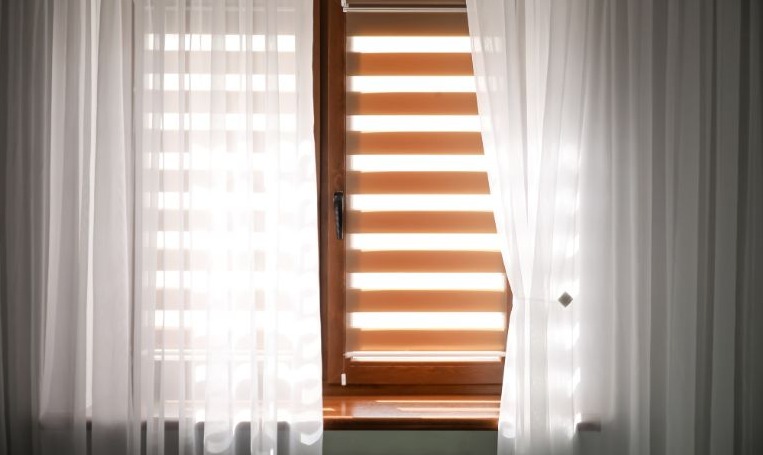
You may not be consciously aware of it as you go about your home, but window treatments play a big role in how your home looks and feels. They control light, add privacy, and can tie a room together in terms of style and color scheme. Because different types of window coverings affect what impression a room makes and operate in different ways, people sometimes find themselves in a quandary: should I do blinds or curtains? Well, here’s a proposal: Why not do both? Believe it or not, combining the two can create a more functional and stylish solution that offers the benefits of both.
At Best Blinds & Awnings in North Idaho and Eastern Washington, we help homeowners across North Idaho and Eastern Washington design window treatments that are practical, beautiful, and tailored to their lifestyles. Here’s why pairing blinds with curtains often works so well, and how to make the combination look intentional and sophisticated, not overdone.
Why Combine Blinds and Curtains?
Blinds and curtains serve different but complementary purposes. Blinds give you precise control over light and privacy, while curtains soften the look of a room, add warmth and elegance, and provide an extra layer of insulation. When used together, they create a layered effect that enhances comfort and design.
Here’s what makes this pairing so effective:
Enhanced Light Control
-
Blinds let you adjust the amount of sunlight coming in throughout the day.
-
Curtains let you filter, block, or frame that light beautifully.
This combination gives you flexibility — from soft daylight in the morning to total privacy at night.
Improved Energy Efficiency
In climates like North Idaho, where winters are cold and summers can stay very bright and warm late into the evening, layering blinds and curtains helps with insulation. Blinds reduce drafts from windows, and curtains add another barrier to retain heat.
Added Depth and Texture
Combining different materials—for instance, installing sleek faux wood blinds with floor-length drapes—adds dimension and visual interest to your space. The flowing fabric of the drapes breaks up the geometric starkness of the blind slats, giving the room a warm feel that blinds alone cannot achieve. The combination can make a room feel finished and thoughtfully designed, and can even change the mood of a room depending on the time of day or how you are using it. For example, a home office that doubles as an occasional guest room can feel both efficient and homey.
Better Privacy
For street-facing windows or bedrooms, the combination of blinds and curtains provides total control. Keep blinds closed for privacy while leaving curtains slightly open to soften the view and maintain natural light. The double layer will also help mute or muffle noise from the street.
When to Combine Them
While blinds and curtains can complement each other almost anywhere, there are certain situations where layering really shines:
-
Living Rooms: Blinds are ideal for managing glare on TVs and devices, while curtains add style and warmth that blinds alone cannot give. It’s a combination that keeps the space efficient, but also comfortable, formal, and inviting.
-
Bedrooms: Use room-darkening or blackout curtains with blinds to achieve full light control and sound dampening for better sleep. Layering also adds a cozy, finished look to private spaces.
-
Large Windows or Sliding Doors: Vertical blinds or roller shades provide functionality, while wide curtain panels frame the space and add softness.
-
Formal Spaces: Dining rooms and sitting areas benefit from layered window treatments because they create a polished, custom-designed appearance.
How to Make It Work
Layering window treatments successfully is all about balance and proportion.
First, start with the function. Choose the blind type based on how you use the room. For example, faux wood blinds for light control or roller shades for a sleek, modern look. Second, add curtains for style. Once the functional layer is set, select curtain panels that complement your décor in terms of style and color. Your colors do not need to match (in fact, they shouldn’t), but they should be complementary. Heavy dark velvet curtains won’t work with inexpensive vinyl blinds, but may work well with wood blinds. A linen roller shade in a neutral tone may work well with a patterned curtain that picks up the neutral colors.
To improve the look, give some thought to the mounting hardware. To emphasize the separation of the pairing, hang curtain rods high and wide (ideally a few inches above and beyond the window frame) to make windows look larger and more open.
Bring It All Together with Expert Help
Combining blinds and curtains takes thought and planning, but the results are well worth it. The right pairing can make a room feel finished, comfortable, and perfectly tuned to your lifestyle.
At Best Blinds & Awnings, we help homeowners in and around Spokane, Coeur d’Alene, Post Falls, Lewiston, and Clarkston find the ideal mix of style and function for their window treatments, from energy-efficient blinds to custom shades and hardware.
If you’re ready to explore layered window treatments for your home, contact Best Blinds & Awnings today to schedule a free in-home consultation with one of our locations in Spokane, Coeur d’Alene, or the LC Valley.