
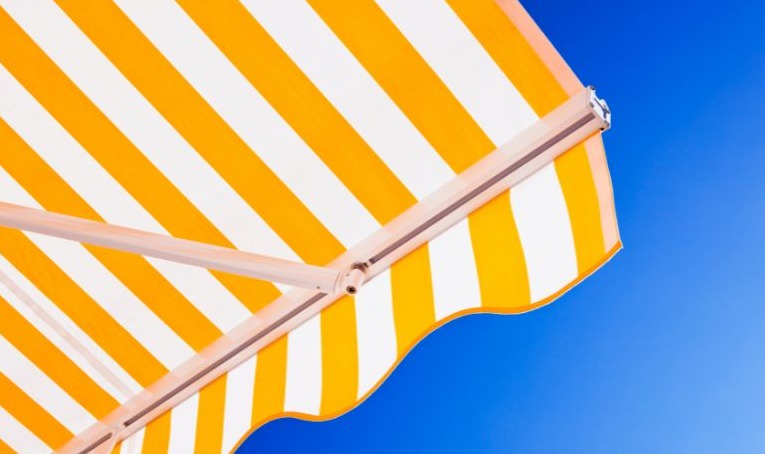
Awning frames get most of the credit, but the fabric is what takes the daily beating: sun, wind, rain, and the occasional surprise snow flurry that the Inland Northwest likes to throw into the mix. The right fabric choice can mean years of cool, comfortable shade (and a patio you actually use), while the wrong one can fade fast, stretch, or start looking tired long before it should.
At Best Blinds & Awnings, we help homeowners and businesses across North Idaho, the LC Valley, and Eastern Washington choose awning solutions that are built for real local conditions, not just showroom lighting. If you are thinking about installing an awning for your home or business, here are our tips on how to choose the right fabric for your application.
Start with Performance, Not Patterns
It’s tempting to pick a color or stripe first, but awning fabric should be chosen in this order:
- Durability for your exposure (full sun, wind, weather)
- UV and heat management (shade comfort plus protection)
- Color and style (curb appeal that lasts)
That sequence helps you avoid the classic mistake: selecting a beautiful fabric that isn’t ideal for where it’s installed.
Awning Fabric Types and What They’re Best At
Most awning fabrics fall into a few main categories. Each has advantages, and the “best” option depends on how you use your space and what your awning needs to handle.
Durability: what actually makes fabric last
“Durable” isn’t one single feature; it’s the combination of fiber, coatings, and construction.
1. Fade resistance (how the color is made)
If long-lasting color is important, look for fabrics where the color is engineered to last, not just printed on the surface. In practical terms, better fade resistance means your awning still looks intentional years later, not washed out and uneven.
2. Mildew resistance and easy cleaning
Outdoor fabrics deal with pollen, smoke, dust, and moisture. A fabric that resists mildew and cleans easily helps your awning look better with less effort, especially on homes near trees, water, or high-traffic areas.
3. Tension and shape retention
Good fabric should stay taut and keep its shape. Sagging isn’t just cosmetic; it can hold water, stress seams, and shorten lifespan.
In North Idaho and Eastern Washington, an awning needs to be able to handle a real mix of sun, wind, rain, and seasonal weather shift. But picking “the toughest fabric” is less important than picking the fabric that fits your exact placement, exposure, and use.
UV Protection: Comfort for People, Protection for Everything Else
UV protection not only applies to your skin; it also affects
- Patio furniture cushions and fabrics
- Interior flooring and furnishings near doors/windows
- Outdoor rugs, grills, and finishes
- Retail displays and customer seating for businesses
Many shade products (including solar-style materials) are designed to reduce UV and heat gain, which is why awnings can make outdoor areas feel more like livable rooms instead of hot zones. Some tips:
- If your patio gets blasted by afternoon sun: prioritize UV performance and fade resistance first, then choose your color.
- If you want it cooler underneath: consider how breathable the fabric is and whether the color choice will amplify heat.
Color: How to Choose Something that Won’t Disappoint Later
Color is where practicality meets curb appeal. The goal is to choose something that still looks good when it’s bright outside, dusty after a week of summer, and viewed from the street or yard. Some tips:
Lighter colors vs darker colors
- Lighter colors often feel brighter underneath and can make that space feel open.
- Darker colors can hide dirt better and may reduce glare more noticeably.
Solids vs. stripes vs. patterns
Stripes can add charm and rhythm, but modern stripes tend to look best when the contrast is softer (think subtle, not circus). If you’re unsure, a solid or a low-contrast pattern is usually the safest “still love it in five years” choice.
Match the fabric to your surroundings
Awnings don’t exist in isolation. We regularly help clients weigh fabric color against siding, roof tones, patio furniture, and sun exposure so the final result looks cohesive—not accidental.
Questions to Ask Before You Commit
Bring these questions to your consultation (or ask yourself before narrowing options):
- How many hours of direct sun hit the awning location in peak summer?
- Is the space windy (corner lot, open field exposure, lake breeze)?
- Do you only want shade from the sun, or do you need rain protection, too?
- Is low-maintenance cleaning a priority?
- Do you want the awning to blend in or to be a design feature?
Clear answers lead to a fabric choice that performs the way you expect.
Get Help Choosing the Right Fabric (and the Right Setup) from Best Blinds & Awnings
If you’re selecting an awning for a home or business in Coeur d’Alene, Spokane, Lewiston, Spokane, or surrounding communities, Best Blinds & Awnings can guide you through fabric performance, color selection, and installation details so the finished awning looks great and holds up. To explore our awning solutions or request guidance and pricing, contact Best Blinds & Awnings today.