
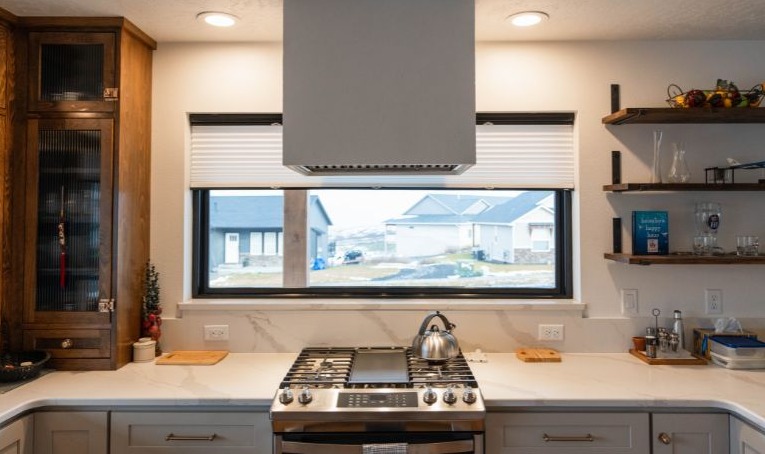
Choosing the right window treatments can dramatically impact the comfort, style, and functionality of your living spaces. When faced with the decision between blinds and shades, many LC Valley homeowners find themselves weighing the pros and cons of these two popular categories. While both serve to cover windows, their fundamental differences in construction, material, and operation lead to distinct advantages for various needs.
Blinds are characterized as hard window coverings featuring individual slats that can be tilted open or closed. They are typically made from materials like wood, faux wood, aluminum, or vinyl. Shades, on the other hand, are soft window coverings crafted from a continuous piece of fabric or woven material that can be raised or lowered. Understanding these basic distinctions is the first step in making an informed choice for your home.
At Best Blinds and Awnings, we help our customers in the Lewiston-Clarkston region determine which types of window coverings best suit each room in the house, based upon what type of room it is, what types of windows are present and their orientation to the sun at different times of day, as well as each individual customer’s needs and tastes. We offer complimentary in-home consultations, and can help select the colors and textures that will enhance your existing paint schemes and style. Here are some tips that can help you determine what will work best for you.
The Versatility of Blinds
Blinds offer unparalleled light control due to their adjustable slats. This allows you to precisely direct light into a room, diffuse it, or block it entirely. For privacy, simply tilting the slats provides an effective barrier without completely sacrificing natural light.
Popular Types of Blinds:
- Venetian Blinds: Classic horizontal blinds with wider slats, these are available in wood, faux wood, or aluminum. They offer a timeless look and excellent light control.
- Vertical Blinds: Ideal for large windows and sliding glass doors, these blinds feature vertical slats that traverse along a track.
- Mini Blinds: Characterized by their narrow, horizontal slats, often made of aluminum or vinyl, these blinds offer an economical and functional solution.
Pros of Blinds:
- Precise Light Control: Slats can be angled to manage light and glare effectively.
- Durability: Materials like faux wood and aluminum are highly durable and resistant to moisture, making them suitable for kitchens and bathrooms.
- Easy to Clean: Generally, a quick wipe-down with a damp cloth or dusting is sufficient.
- Affordability: Many blind options are budget-friendly.
Cons of Blinds:
- Less Insulation: Gaps between slats can allow for some heat transfer.
- Can Be Noisy: Slats can clatter in a breeze if not secured.
- Limited Aesthetic Softness: Their hard lines may not suit every décor.
The Softness and Style of Shades
Shades bring a different set of advantages, primarily focusing on a softer aesthetic, enhanced insulation, and a wide array of fabric choices. They operate by being raised or lowered, often rolling up, folding neatly, or collapsing into pleats.
Popular Types of Shades:
- Roller Shades: Simple, sleek, and highly functional, these shades roll up compactly into a headrail. They are available in various opacities from sheer to blackout.
- Roman Shades: These are elegant shades that fold into soft, horizontal pleats when raised, adding a touch of sophistication and style.
- Cellular Shades (Honeycomb Shades): Known for their energy efficiency, these shades have a unique honeycomb construction that traps air, providing excellent insulation.
- Woven Wood Shades: Made from natural materials like bamboo, reeds, or grasses, these shades offer a natural, organic texture and diffused light.
Pros of Shades:
- Energy Efficiency: Shades offer superior insulation against heat and cold, especially cellular shades.
- Soft Aesthetic: Fabric options introduce texture and warmth to a room.
- Full Light Control (with options): Shades are available in sheer, light-filtering, and blackout fabrics to meet specific needs (e.g., blackout shades for bedrooms).
- Enhanced Privacy: When fully lowered, shades offer complete privacy with no gaps.
- Reduced Noise: Fabric helps absorb sound, contributing to a quieter room.
Cons of Shades:
- Less Precise Light Control: Unlike blinds, you can’t tilt slats to direct light; it’s either up, down, or partially down.
- Cleaning Can Be More Involved: Depending on the fabric, some shades may require spot cleaning or professional cleaning.
- Higher Cost: Custom fabric shades can be more expensive than basic blinds.
Best Blinds Can Help You Make the Right Choice for Each Room
The best choice often comes down to the specific needs and desired ambiance of each room:
- Bedrooms: Blackout roller shades or cellular shades are excellent for maximizing sleep by blocking light, maintaining the room’s temperatures, and keeping noise dampened.
- Living Rooms: Light-filtering Roman shades or woven wood shades can diffuse natural light beautifully, creating a warm and inviting atmosphere. Venetian or faux wood blinds also work well for controlled light and privacy.
- Kitchens and Bathrooms: Faux wood or aluminum blinds are ideal due to their moisture resistance and ease of cleaning. Water-resistant roller shades are also a good option.
- Home Offices: Blinds offer excellent glare reduction for computer screens, while light-filtering shades can create a soft, productive environment.
Ultimately, the decision between blinds and shades hinges on your priorities for light control, privacy, durability, energy efficiency, and aesthetic preferences. By considering the unique characteristics of each, you can select the perfect window treatments to complement your home and enhance your daily living.
To learn more or schedule an in-home consultation with one of our specialists, contact Best Blinds & Awnings today, with shops in Coeur d’Alene, Spokane, and the LC Valley.